
Case Study: Modelling product stewardship for B2B packaging

Creating the business case for APCO and industry to collect and recycle food service pails
Situation and Challenge
Packaging is an increasingly important focus within waste, recycling and circular economy. Australia’s packaging progress relied on voluntary, industry led measures, facilitated by the Australian Packaging Covenant Organisation (APCO) and guided by the 2025 National Packaging Targets.
One target is that 70% of plastic packaging made, sold and used in Australia is recycled or composted – performance sits at 19 - 20% and hence falls significantly short.
To progress packaging sustainability, coordinated action across complex supply chains is often required - to model, trial and cost new systems and approaches for transport and effective reuse and/ or recycling – in contrast to the business as usual of landfill.
A collaborative of organisations from the Australian food services industry had been investigating a product stewardship program for polypropylene (PP) pails, commonly used for products like mayonnaise, olives, cheeses in B2B supply chains.
The challenge for the FSAA and APCO was to move beyond a pilot, and determine how this initiative could become a self-sustaining, systemised stewardship model, extrapolated more broadly across the foodservice sector.
This required research, industry engagement and a broader project scope, where resourcing and expert analysis were required from an experienced professional in supply chain, fmcg, packaging, logistics and the recycling industry.
Product Stewardship and Extended Producer Responsibility Explained
Product stewardship involves taking responsibility for the full lifecycle of a product, including the development, design, creation, production, assembly, supply, use or re-use, collection, recovery, recycling or disposal of the product.
It recognises that everyone who imports, designs, produces, sells, uses and disposes of products has a shared responsibility to reduce their environmental, health and safety impacts.
Extended producer responsibility (EPR) schemes are a type of product stewardship that places primary responsibility on the first supplier of the product e.g. the producer, importer and sometimes the seller of the product.
Our Approach
BC Consulting joined the project as an additional resource within the existing project team, supporting APCO with the following:
Data Capture and Analysis
Gathering and consolidating information on the quantities and types of polypropylene buckets distributed to market with available data, and extrapolating potential volumes across the foodservice sector.
Logistics – Market Analysis
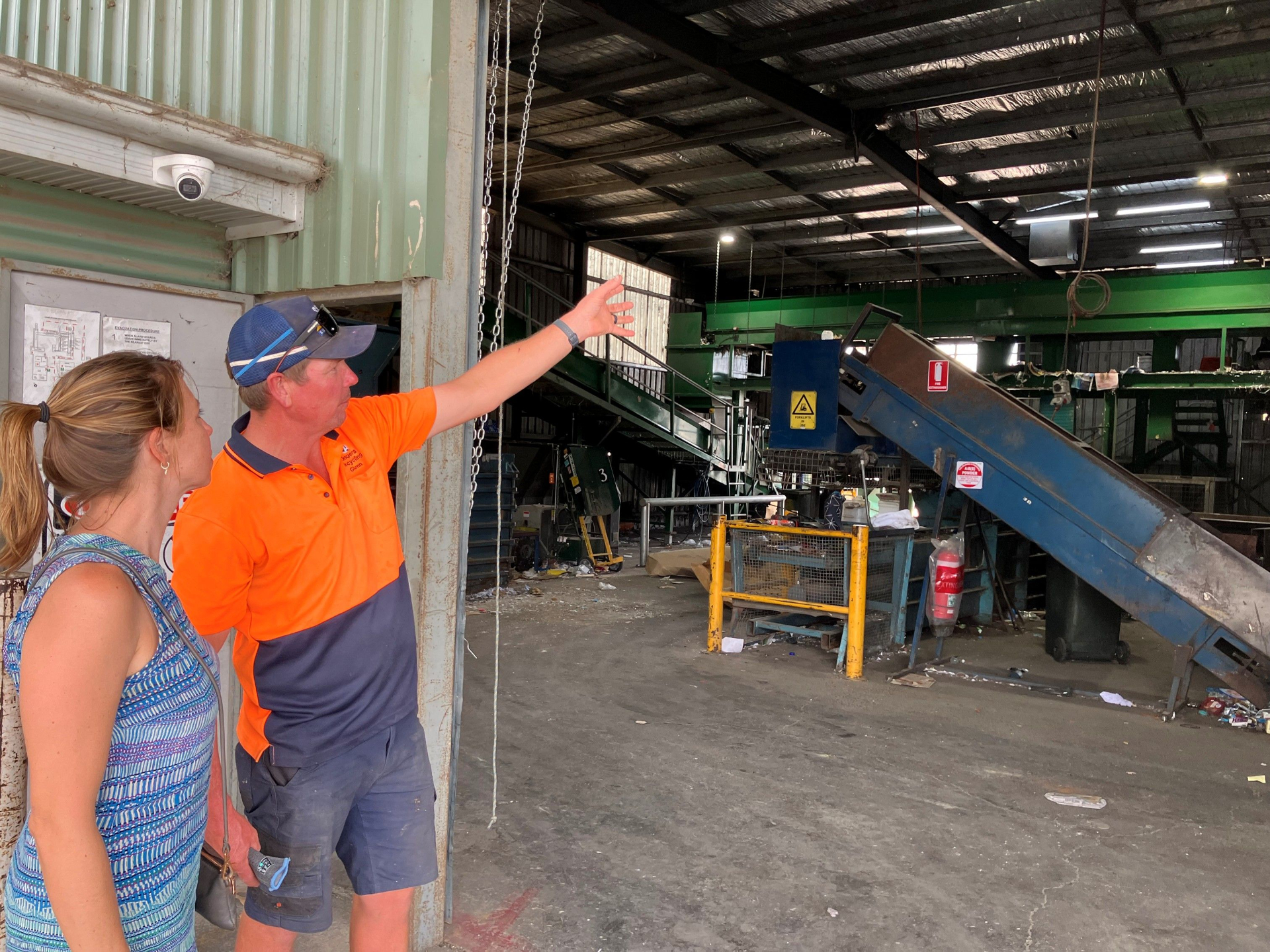
Visiting warehouses, working with distributors on potential collection models, and identifying, analysing, and costing available options on the market.
Recycling – Market Analysis
Identifying and visiting aggregators and recyclers, understanding Australian recycling capability, analysing and costing available options on the market. Concurrently, taking the opportunity to capture opportunities to design pails for improved recycling potential.
Stakeholder engagement
Working with people from major FMCG brands, APCO and FSAA stakeholders, distributors, logistics suppliers and recyclers across the Australian eastern seaboard.
Final Business Case and Options Paper
This analysis was used to inform realistic financial scenarios, including labour, storage, collection, processing, and potential rebates, to understand the contribution required per unit for a stewardship program to function sustainably.
Bel’s Unique Value
This project has touchpoints with multiple systems, industries, and sectors – each with their own complexity and nuance.
Bel brings a strong working knowledge of Australia’s recycling systems, the voluntary, co-regulated packaging framework and packaging design and supply chains.
This is coupled with an extensive background in property operations, recycling collection contract structure, the hospitality and FMCG industries.
Importantly, Bel understands the governance and accountability requirements of working with large global brands, navigating corporate ESG drivers and their market context.
She balances technical detail, an ability to engage with a wide range of people, with strategic perspective – ensuring the evaluation was both rigorous and practical to support sound decision-making, transparency and trust.
Her contribution draws on over twenty years’ experience working with packaging in waste and recycling systems, implementing infrastructure and recycling programs and leadership roles in larger retailers, including Australia Post and ALDI Supermarkets AU.
The result
APCO, FSAA and brands were provided with structured, evidence-based and methodical advice with a comparative view of available options.
All learnings were documented through working papers, presentations and a final report that outlined model options, enabling informed discussion and an understanding of how the program could be expanded in terms of collection, cost and recycling.
Want a clearer path forward?
Let’s build a practical assessment framework for your packaging or recycling program—then compare real market options with confidence.
Contact BC Consulting