Case Study: NSW Government Hospitals Waste Wise Program
Turning policy into practice in five regional hospitals
Situation and Challenge
Hospitals are very complex - generating diverse waste types, including food, packaging, plastics and clinical materials, and operate within strict hygiene requirements, dynamic conditions, constrained infrastructure and highly structured procurement and service arrangements.
At the same time, evolving policy settings, including NSW Government mandates for food waste, the NSW Climate Change (Net Zero Future) Act and the Net Zero Government Operations Policy, require practical implementation of e.g. FOGO services at a site level.
Several hospitals in the Murrumbidgee and Southern NSW regions received Bin Trim assessments, looking into the opportunity to reduce waste and recycle more – these were funded under an application made by the Canberra Region Joint Organisation (CRJO), representing councils across a 91,000 km² region.
While assessments identified opportunities, there was a need to translate these into real-world action for staff, by raising awareness, creating space for discussion, helping solve operational challenges in situ and equipping staff with the understanding and confidence required to implement change within their hospital contexts.
Our Approach
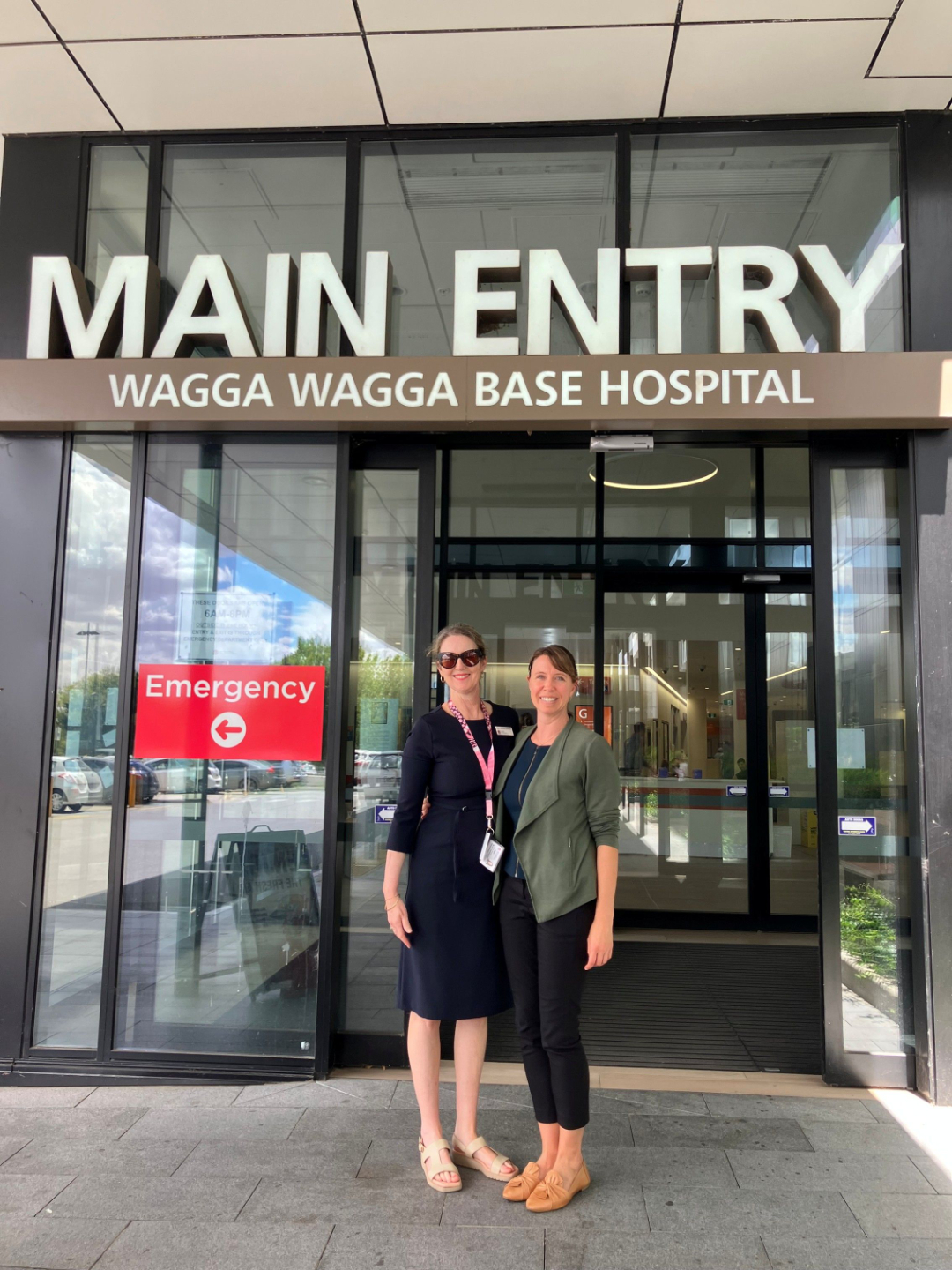
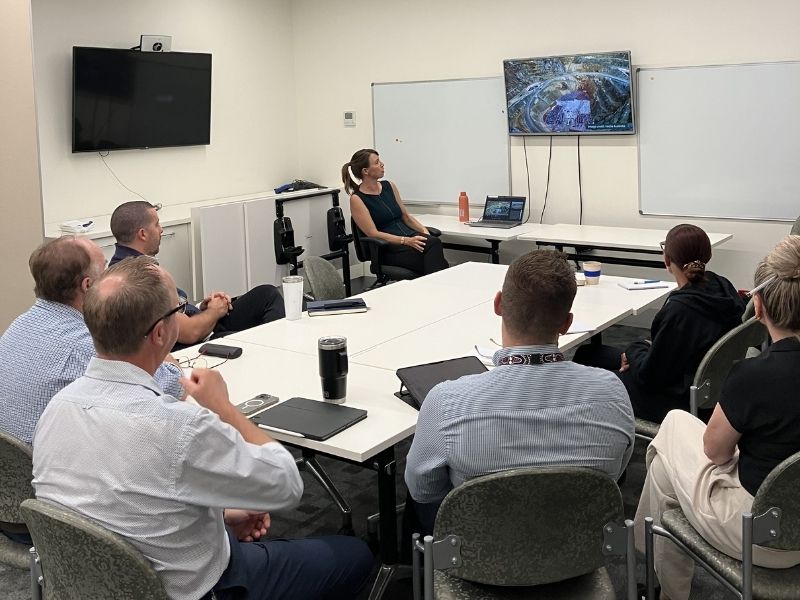
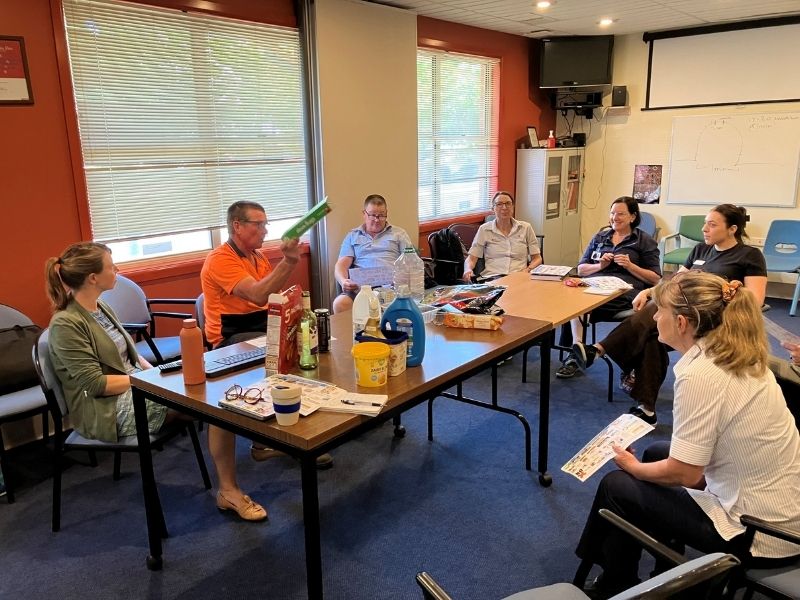
Bel was engaged via competitive RFQ process to design and deliver a tailored program of face-to-face and online workshops across five regional hospitals, supported by site visits and engagement with staff and management teams.
Delivered across two trips, the program was tailored to health environments, observing systems in practice and engaging directly with the people responsible for delivering outcomes.
The approach included:
- Delivering presentations for hospital management staff – highlighting changing Legislation and policy drivers and key drivers for NSW government including landfill capacity ending by 2030
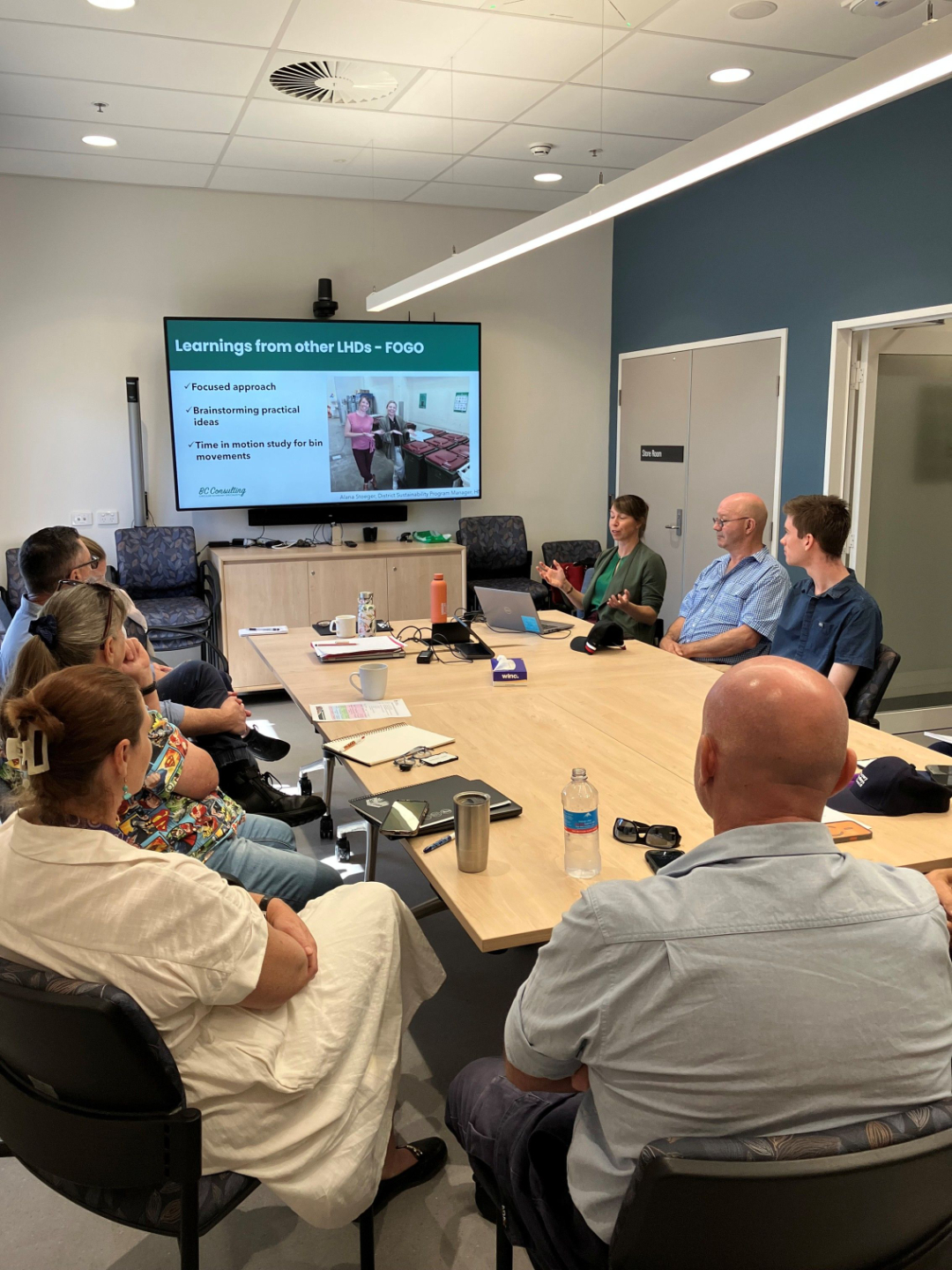
- Delivering five on-site workshops across Local Health District hospitals, scheduled to ensure accessibility across rosters, attended by a broad range of people from departments including: nursing, infection control, management, catering, paediatrics
- Providing clear explanations of how waste and recycling systems operate in Australia, including contamination, collection systems and end markets
- Undertaking site walk-throughs and informal engagement with staff, building a practical understanding of infrastructure, workflows and constraints
- Translating Bin Trim assessment findings into site-specific, practical actions
- Addressing healthcare-specific realities, including hygiene requirements, space limitations, packaging contamination from patient food, equipment constraints and Whole of Government contract limitations
- Supporting implementation of NSW FOGO mandates and broader policy requirements, including what compliance looks like in day-to-day hospital operations
- Creating a positive, engaging and non-judgemental environment, enabling staff to ask questions and identify opportunities
- Working with local recyclers and Council representatives at each session, to ensure localised knowledge was included
The sessions combined technical insight with humour, real-world examples and practical ‘do’s and don’ts’, ensuring content was credible and relatable
Bel’s Unique Value
Bel brings recent, first-hand insight from within NSW Health settings, combined with over twenty years’ experience delivering circular economy and waste programs across complex operational environments.
Her background working within waste collection, recycling systems and large organisations – including Australia Post and ALDI Supermarkets, enables her to explain how systems operate end-to-end, from back-of-house logistics through to recovery outcomes, in a way that is technically accurate and accessible.
This is underpinned by direct healthcare experience. In 2025, Bel worked with Central Coast and Hunter New England Local Health Districts, including a site visit to John Hunter Hospital, supporting staff to understand systems, engage stakeholders and prepare for organics implementation.
This provides a strong understanding of healthcare-specific challenges, including hygiene requirements, operational complexity, infrastructure constraints and procurement frameworks.
By engaging directly with staff and spending time on-site, she tailors guidance to each facility, ensuring recommendations are practical, relevant and implementable.
She combines deep technical knowledge with strong facilitation skills, creating an environment where people feel comfortable to engage and contribute. Her ability to connect policy, systems and on-the-ground delivery is critical in complex healthcare settings.

Kym Witney-Soanes |
Sustainability Lead NSW Health – Murrumbidgee Local Health District
Bel brings a rare mix of technical expertise and genuine people skills. She understands circularity, the waste and recycling industry from every angle.
She understands people and has flexibility and respect when engaging with stakeholders who may have contradictory perspectives.
Her ability to make complex waste and legislative issues feel practical and relevant within a hospital environment was so valuable when huge change is impending for NSW Health.
Her relaxed and engaging communication style immediately put people at ease and created a culture of curiosity and learning.
Bel was professional, well prepared and reliable, delivering engaging presentations backed by striking visuals and practical actions.
I would absolutely recommend Bel - she’s knowledgeable, practical, fun to work with and an excellent communicator.
The result
The program provided hospital staff and management with a clearer understanding of waste streams, recovery opportunities and policy requirements, alongside practical guidance on implementing change within their facilities.
It sparked conversations about the amount of single-use water bottles used and helped people understand additional items that could be recycled.
Bel also helped one catering manager overcome constant contamination issues with FOGO services with a simple change to their waste room.
The program also created space for open discussion, surfacing barriers and opportunities, and strengthening engagement across teams responsible for delivering change.
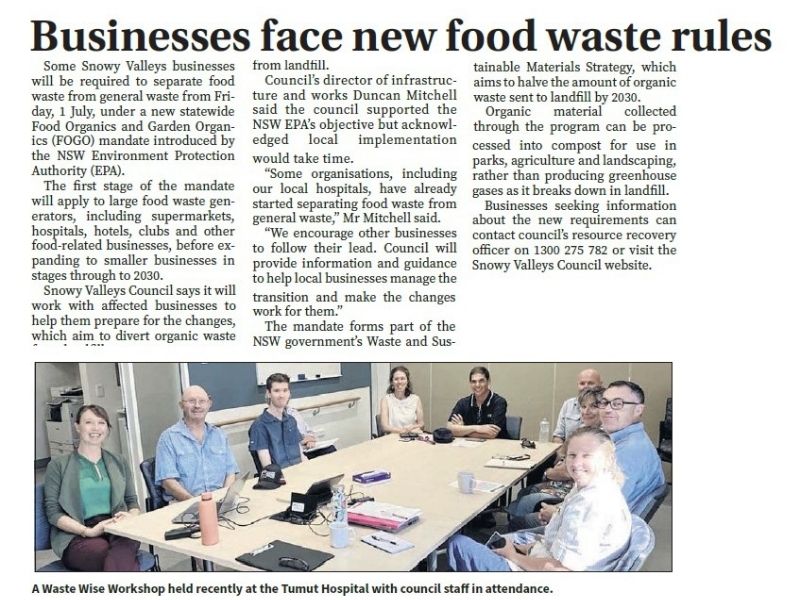
The program at Tumut Hospital also featured in local media – spreading the word about legislative changes to the broader business community.
Want a clearer path forward?
Let’s build a practical assessment framework for your packaging or recycling program—then compare real market options with confidence.
Contact BC Consulting